


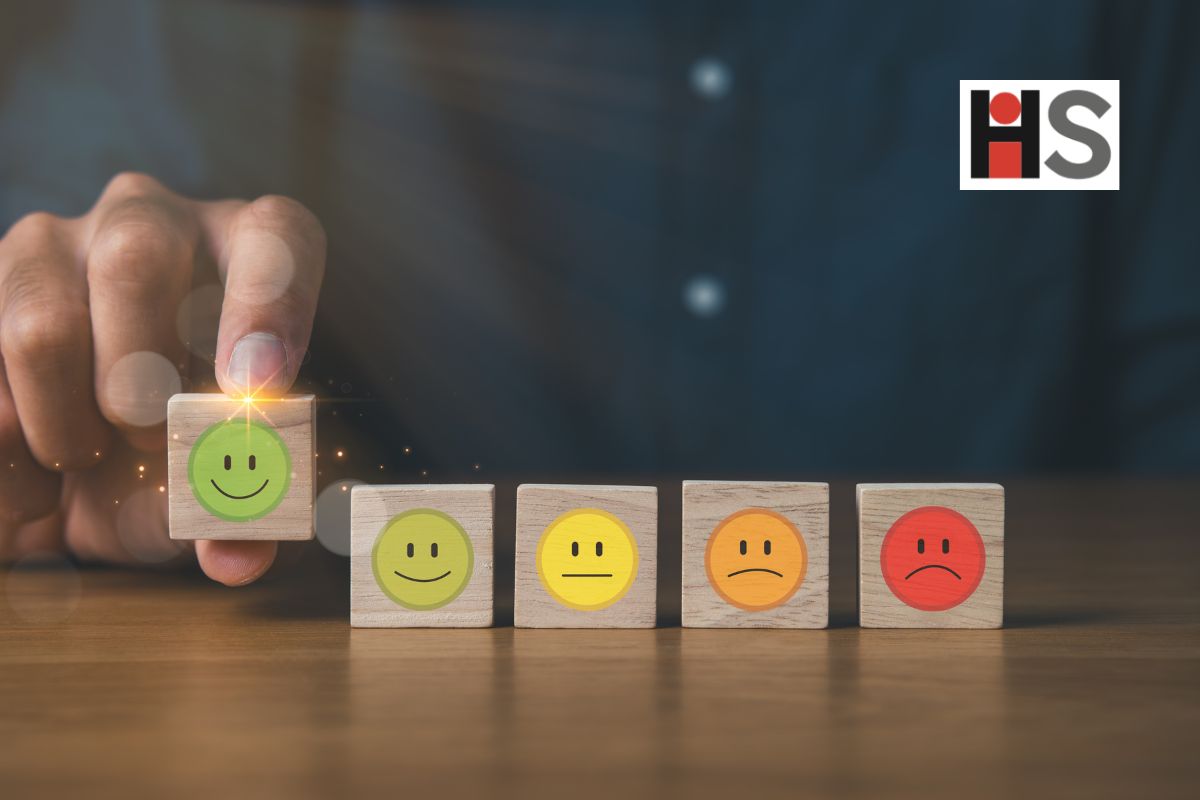
The Resilient Guest: Global Satisfaction Climbs Despite Operational Headwinds
There is a long-standing theory in our industry that as travel volume surges, guest satisfaction inevitably plateaus or declines. The logic seems sound: more guests mean more strain on staff, longer wait times at the front desk, and a higher probability of service gaps. However, the latest data from Shiji’s 2026 Guest Experience Benchmark Report has officially debunked that narrative.
Based on an exhaustive analysis of over 40 million reviews and 84 million mentions across 12,000 properties, the report reveals that global guest satisfaction reached 86.7% in 2025. This represents a half-percentage-point increase over the previous year, continuing a steady upward trajectory that began in 2022.
Originally reported by Theodore Koumelis of TravelDailyNews, these findings suggest that hoteliers are finally catching their breath and mastering the art of high-volume hospitality. For US professionals, the report provides a vital roadmap for navigating the year ahead.
The North American Momentum
While Asia remains the global leader in pure sentiment with a 89.4% Global Review Index (GRI), North America is arguably the most improved player on the field. The region recorded a 0.7 percentage-point increase in GRI, trailing only the Middle East in year-over-year growth.
This improvement is particularly impressive given the labor challenges and inflationary pressures that defined the US market throughout much of 2025. It appears that the industry’s heavy investment in operational technology and staff retention is finally yielding measurable dividends in the eyes of the guest.
The Battle of the Platforms: Google vs. Booking.com
One of the most significant shifts identified in the report is the changing landscape of where guests share their voices. Google review volumes exploded by 15.7% last year, effectively narrowing the gap with Booking.com.
For the modern hotelier, this shift is critical. Google reviews are often the first thing a potential guest sees during the search phase, long before they reach an OTA or your direct booking engine. The diversification of review platforms means that reputation management is no longer just about monitoring one or two sites. It requires a sophisticated, multi-channel approach to ensure your brand story remains consistent across the entire digital ecosystem.
The Midscale Surge and Luxury Stability
Perhaps the most surprising takeaway from the 2026 report is that the heavy lifting in satisfaction growth was done by 3-star and 4-star hotels. These segments saw increases of 0.6 and 0.5 percentage points, respectively.
Meanwhile, the 5-star luxury segment maintained a dominant GRI of 90.4%, but growth slowed to 0.3 points. This suggests that luxury guests have reached a state of “stable high expectations.” They expect perfection as a baseline, leaving very little room for hotels to “surprise and delight” them in ways that move the needle on a review score.
The growth in the midscale and upscale sectors indicates that these properties are successfully adopting “attainable luxury” standards. They are utilizing smarter tech, cleaner designs, and more responsive service models to bridge the gap that once existed between them and their 5-star counterparts.
The Metric of Speed: The 3.5 Day Rule
Engagement is the new currency of loyalty. The Shiji report found that the global management response rate has reached a healthy 68.8%, with an average response time of 3.5 days.
In a world of instant gratification, three and a half days might feel like a lifetime to a disgruntled guest. However, in the context of global operations, this represents a significant improvement in responsiveness. As Wolfgang Emperger of Shiji notes, the goal for 2026 is to turn that feedback into immediate operational action. It is not enough to simply say “thank you for your feedback” anymore. Properties must show that they are listening by making tangible changes to the guest experience in real time.
Looking Toward 2026: Execution is Everything
The introduction of Central America as a dedicated region in this year’s report reflects the growing complexity of the global travel market. As we look toward 2026, hoteliers’ focus must shift from mere survival to precise execution.
With positive mentions sitting at 76.1% globally, the baseline for success has never been higher. To maintain this momentum, US operators will need to lean into the “Invisible Signature” of hospitality: those small, sensory, and technological details that make a stay feel seamless.
The data is clear: the guests are ready to be happy. It is now up to the industry to maintain the discipline required to keep those scores climbing.
FAQ: The 2026 Guest Experience Benchmark
How is the Global Review Index (GRI) calculated? The GRI is a proprietary algorithm used by ReviewPro (a Shiji Group brand) that aggregates hundreds of thousands of reviews from over 140 online travel agencies and review sites in more than 45 languages. It provides a single, comparable score that represents a property’s overall reputation.
Why are Google reviews growing faster than OTA reviews? Google’s integration into the mobile search experience makes it the path of least resistance for guests to leave feedback. The “push” notifications guests receive on their smartphones after checking out or leaving a property have significantly lowered the barrier to entry for leaving a review.
Is a 3.5 day response time considered “best in class”? While 3.5 days is the global average, industry leaders typically aim for a response time of 24 to 48 hours for negative reviews. Rapid response is proven to mitigate the impact of poor feedback and can often turn a detractor into a loyal guest.
What is the impact of the new “Central America” region in the report? By separating Central America (including Mexico) from the broader Americas category, Shiji is acknowledging that these markets have distinct traveler demographics and service standards. This enables more accurate benchmarking for US properties competing directly with Caribbean and Mexican resorts.
Do you have any industry knowledge, experience, or news you’d like to share? Why not send us your press releases, survey results, news, and articles? We will review them and may publish them on the IHS website. Just complete the contact form and get in touch.